Pinglu Canal Project
The Pinglu Canal is the first sea-reaching canal project planned and constructed at the national level since the founding of the People’s Republic of China. With a total length of 134.2 km and a total investment of approximately 72.7 billion RMB, it is built to Class I inland waterway standards and allows navigation for 5 000-ton-class vessels. Connecting the Xijiang River in the north and opening into the Beibu Gulf in the south, it was officially opened to navigation on 16 September 2026.
Three cascade hubs, namely the Madiao, Qishi and Qingnian Hubs, are arranged along the canal to dissipate the natural water-level drop of 65 m step-by-step. Among them, the Madiao Hub features the world’s largest inland water-saving ship lock, handling a water-level drop of nearly 30 m, with a total concrete placement volume of 3.36 million cubic metres. The Qishi Hub adopts the world-first three-stage composite water-saving ship lock and hosts Asia’s largest intelligent batching plant. The Qingnian Hub, located at the southernmost downstream section of the Pinglu Canal, is China’s largest under-construction mutual-filling and-discharging water-saving ship lock. It suffers from brackish-water corrosion caused by seawater backflow.

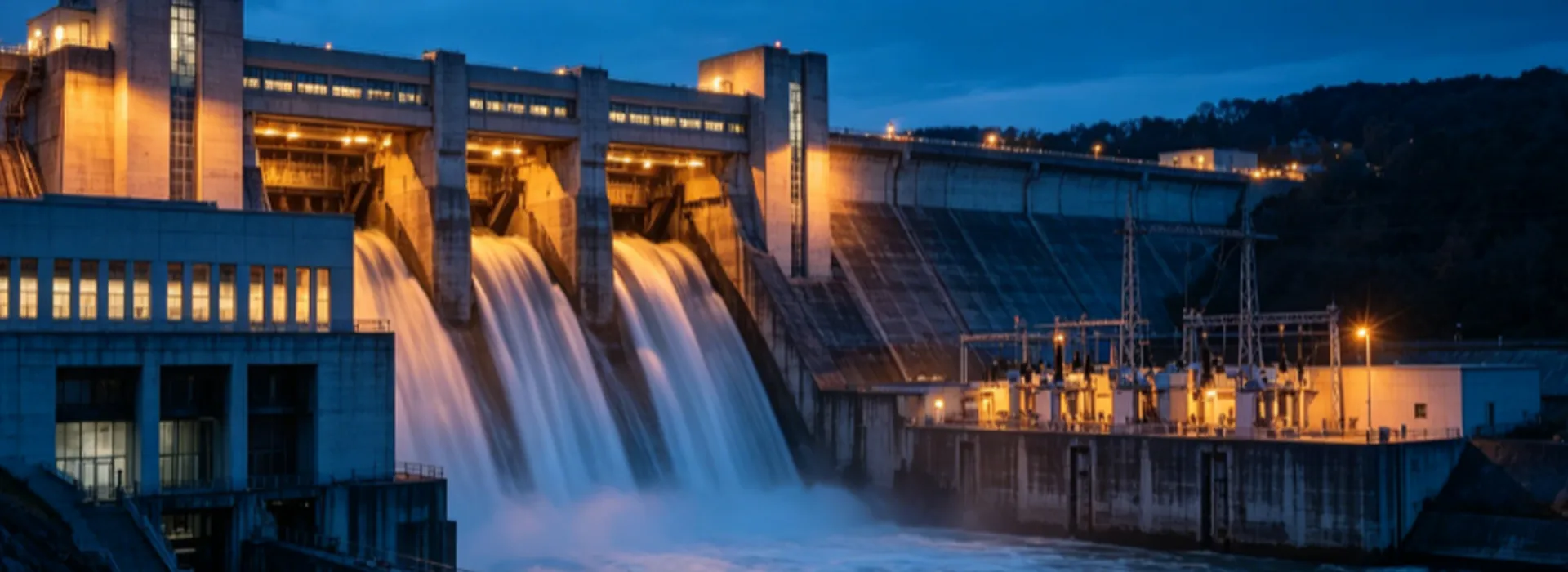
Figure 1. The Pinglu Canal
The placement of 5.84 million cubic metres of concrete for the main ship-lock structures of the three major hubs constitutes the core technical challenge of the project, which mainly lies in two aspects: temperature-control crack prevention for mass concrete and durability assurance under harsh service environments. Most main ship-lock structures are built of mass concrete. The placement volume of a single pouring lift mostly exceeds 1 200 m³, with a maximum of 5 000 m³. Heat of hydration is released intensively, and internal heat dissipates poorly. Uneven heat dissipation between interior and exterior readily induces thermal cracks. Hazardous cracks, once formed, will directly threaten structural safety and durability, while post-repair would be difficult and costly.
The coastal Qingnian Hub faces brackish-water corrosion from seawater backflow. The hub structure needs to achieve a service life of more than 100 years under brackish-water conditions. Once concrete cracks, chloride ions can reach rebar surfaces in a very short time and trigger premature structural degradation, making crack control critically important.
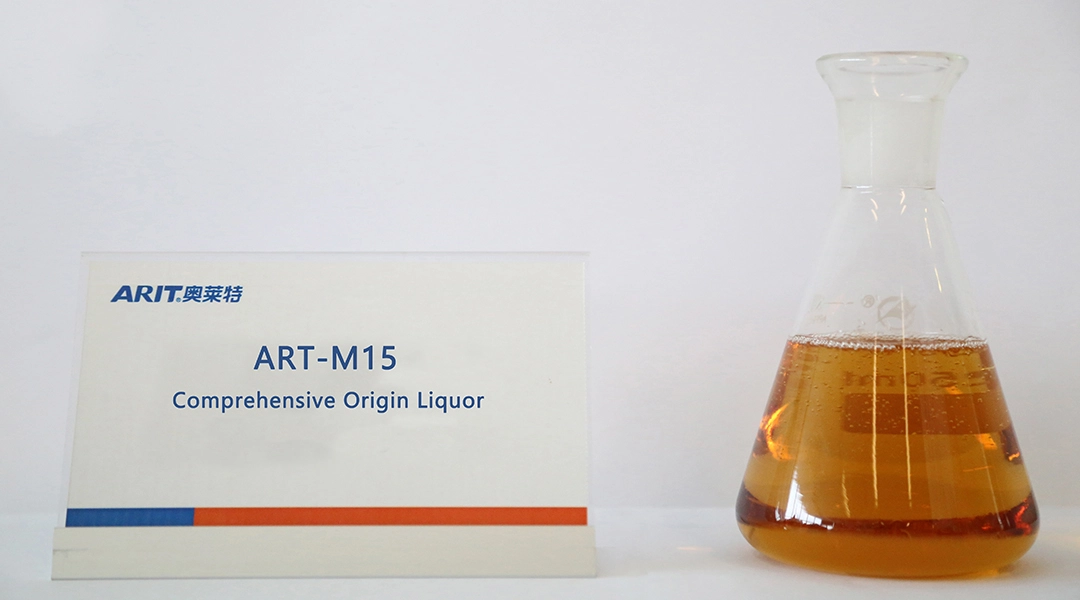
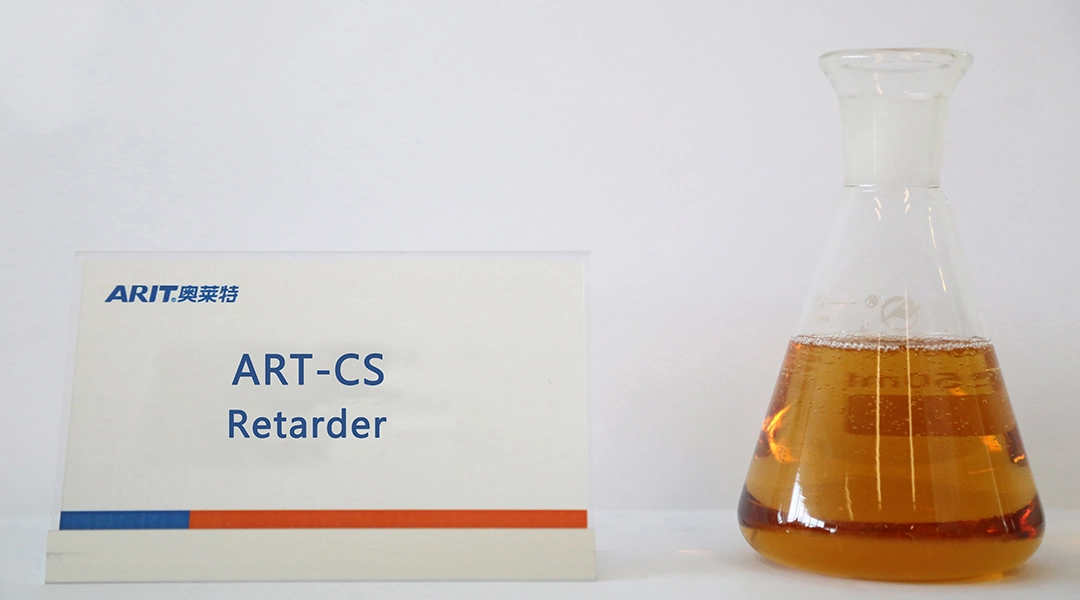
For temperature-control crack prevention of mass concrete, the core of admixture adaptation is to match the three-grade-aggregate concrete system with low binder content. Admixtures are used to regulate concrete setting time and early-age hydration heat release rate. Retarding polycarboxylate superplasticizer is adopted to prolong initial setting time, providing sufficient time windows for continuous placement of large-area lifts and avoiding cold-joint risks from overly fast setting.
For brackish-water corrosion conditions, appropriate air-entraining components are incorporated into the admixture formulation to combine water reduction and chloride-ion penetration resistance. Together with adequate rebar cover thickness, long-term service performance of structures under brackish-water exposure is guaranteed.
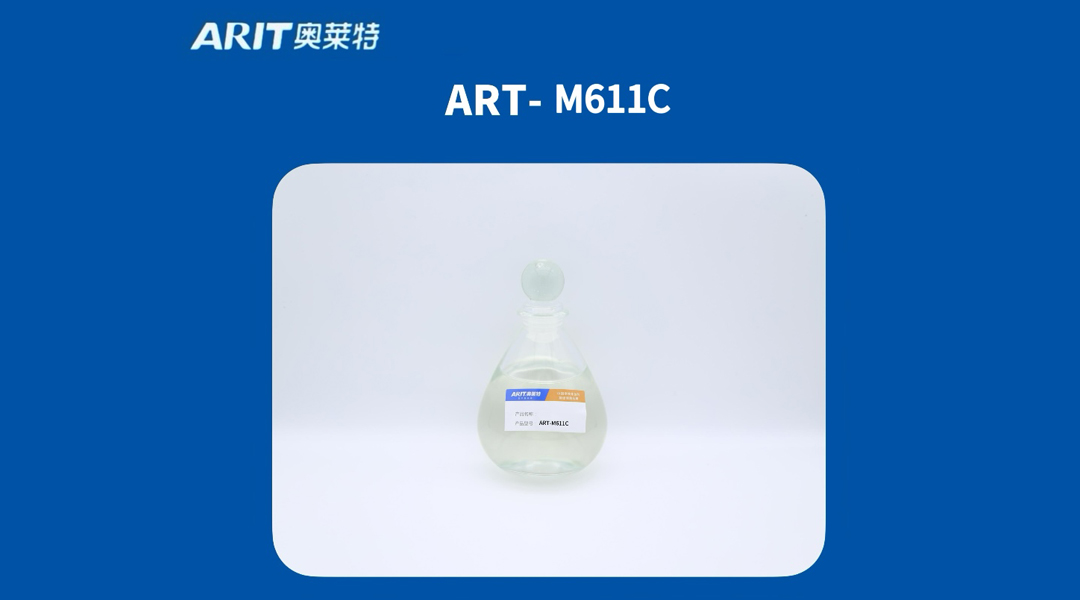
ART-M611C, ART-M63, and ART-AE
For detailed remixing formula, feel free to contact the technicians at ARIT.
Address
22 Huixin Road, Nanjing, China
Call us
Email us
Connect with ARIT for Premium Concrete Additives Wholesale

 English
 tiếng việt
 العربية
 বাঙালি
 සිංහල