Modern concrete requires more than strength. Ready-mix, precast, high-strength, and self-compacting concrete often need high flowability, low water demand, long slump retention, and predictable setting. These requirements have made polycarboxylate technology an important part of advanced concrete admixture development.
Unlike traditional superplasticizers, polycarboxylate-based admixtures can be engineered at the molecular level. Different polymer structures can target water reduction, slump retention, viscosity control, or compatibility with complex cementitious systems.
For an admixture company such as ARIT, this means developing admixtures around specific concrete performance requirements rather than relying on one universal formulation.
Polycarboxylate ether, commonly called PCE, is a polymer-based technology widely used in high-performance concrete admixtures.
A typical PCE contains a polymer backbone with functional groups that interact with cement particles and side chains that create steric hindrance. This molecular structure helps disperse cement particles and reduce re-flocculation.
Research published in Materials Today Communications explains that PCE performance can be influenced by molecular weight, side-chain structure, anchoring groups, and other molecular characteristics.
A pce polymer is not a single standardized material. Changes in its molecular architecture can influence:
Water reduction
Cement dispersion
Slump retention
Viscosity
Setting behavior
Compatibility
Clay tolerance
This flexibility is one of the major advantages of polycarboxylate technology.
Understanding PCE cement interaction is essential for selecting an appropriate admixture.
When cement is mixed with water, particles can form flocs that trap part of the available water. PCE molecules adsorb onto cement particles and help separate them through electrostatic and steric effects.
Better particle dispersion allows more water to remain available for flow without simply increasing the total mixing-water content.
However, PCE does not behave identically with every cement. Cement chemistry, sulfate balance, supplementary cementitious materials, aggregate characteristics, and clay content can all influence performance.
Research has shown that clay minerals can interact with PCE molecules and reduce their availability for cement dispersion.
Therefore, admixture selection should consider the complete concrete system.
The wide range of polycarboxylate ether uses results from the ability to modify PCE formulations for different performance targets.
PCE-based admixtures are commonly used in:
High-strength concrete
Self-compacting concrete
Ready-mix concrete
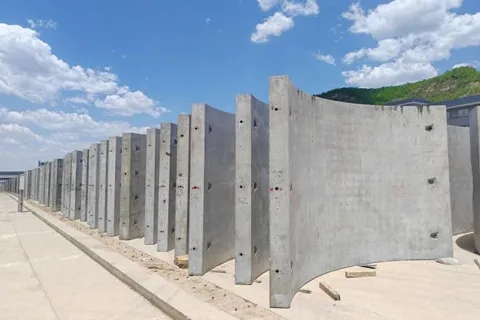
Precast concrete
Pumped concrete
UHPC
Cement-based grouts
Dry-mix mortars
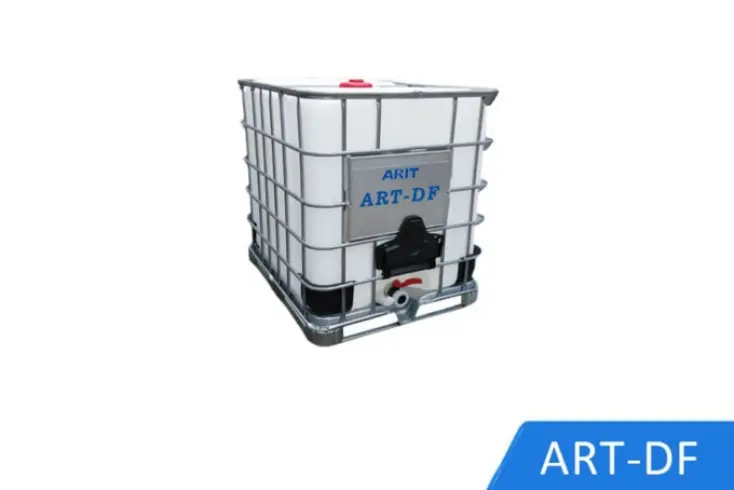
ARIT's product portfolio includes high-water-reducing, slump-retention, viscosity-reducing, powdered, and specialized PCE admixture products. This illustrates how one basic polymer platform can support different concrete applications.
PCE Performance | Main Objective | Typical Application |
High water reduction | Lower water-binder ratio | High-strength concrete |
Slump retention | Maintain workability | Ready-mix concrete |
Viscosity reduction | Improve flow | Pumped concrete |
Clay tolerance | Maintain dispersion | Manufactured-sand concrete |
Powder PCE | Easy dry handling | Mortar and UHPC |
An hrwr superplasticizer is a high-range water-reducing admixture designed to substantially reduce mixing water while maintaining the required workability.
ASTM C494 identifies Type F as a water-reducing, high-range admixture and Type G as a water-reducing, high-range, and retarding admixture. The standard also emphasizes testing admixtures with the actual concrete materials and mixture conditions.
The main advantages of superplasticizer technology include:
1. Reduced mixing water
2. Improved workability
3. Lower water-to-binder ratios
4. Better pumpability
5. Higher-strength potential
6. Improved concrete placement
7. Support for self-compacting concrete
PCE-based HRWRs are particularly valuable because their molecular structure can be adjusted for different performance requirements.
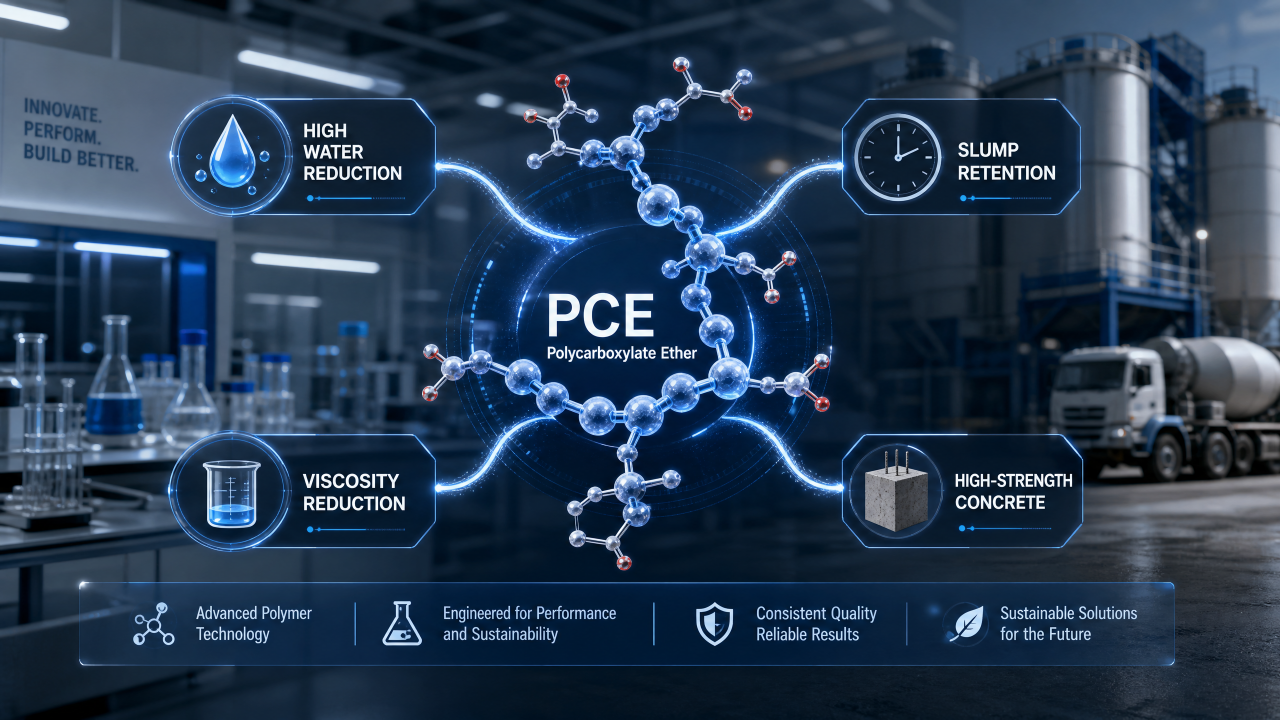
ARIT's product portfolio demonstrates the application-specific direction of modern PCE development.
For example, ART-M13 is positioned as a polycarboxylate high-performance superplasticizer for high-strength concrete, with emphasis on dispersion and viscosity reduction.
ART-M611C uses an EPEG-based polycarboxylate structure and is designed around high water reduction, low dosage, slump retention, and compatibility with cementitious materials.
ART-M818C focuses on viscosity reduction and improved flow performance for cement-based materials.
These products show that pce polycarboxylate ether technology can be adapted according to the desired concrete performance instead of being treated as a single generic admixture.
When discussing concrete admixture performance, setting behavior must also be considered.
So, what is flash set?
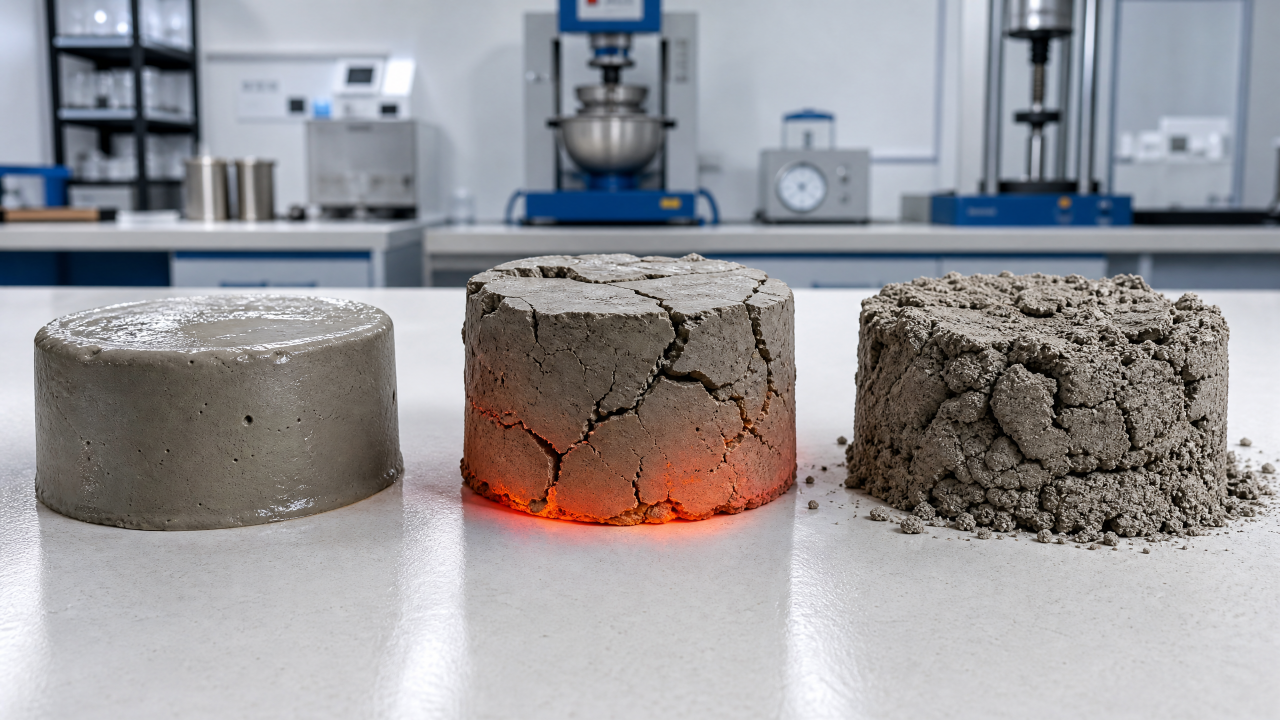
The American Concrete Institute defines flash set as the rapid development of rigidity in cement paste, mortar, or concrete accompanied by considerable heat. Unlike false set, the plasticity cannot be recovered through further mixing.
Flash set can interfere with concrete transportation and placement and may make a mixture unusable.
Property | Flash Set | False Set |
Rigidity | Rapid | Rapid |
Heat | Considerable | Limited |
Plasticity recovery | Not recoverable by remixing | Generally recoverable |
Main concern | Severe setting problem | Temporary stiffening |
Understanding setting behavior is important because cement chemistry, temperature, and admixture interactions can all influence concrete performance.
The development of PCE is closely connected with smart concrete technologies, where admixtures are designed around changing production and construction requirements.
For example, slump-retention PCE systems can help maintain workability during extended transportation, while viscosity-reducing formulations can improve the flow of high-performance concrete.
ARIT's portfolio includes products targeting water reduction, slump retention, viscosity reduction, and other specialized performance requirements.
This suggests an important direction for the industry: concrete admixtures are becoming engineered performance systems rather than simple chemical additives.
The best PCE is not necessarily the product with the highest water-reduction percentage. Selection should consider:
Target water-to-binder ratio
Required slump or slump flow
Transportation time
Cement chemistry
Mineral admixtures
Aggregate and sand quality
Clay content
Setting requirements
Early-strength requirements
Concrete temperature
ASTM C494 recommends evaluating admixtures with the actual materials and batching conditions proposed for the project.
Trial batching is therefore essential before large-scale application.
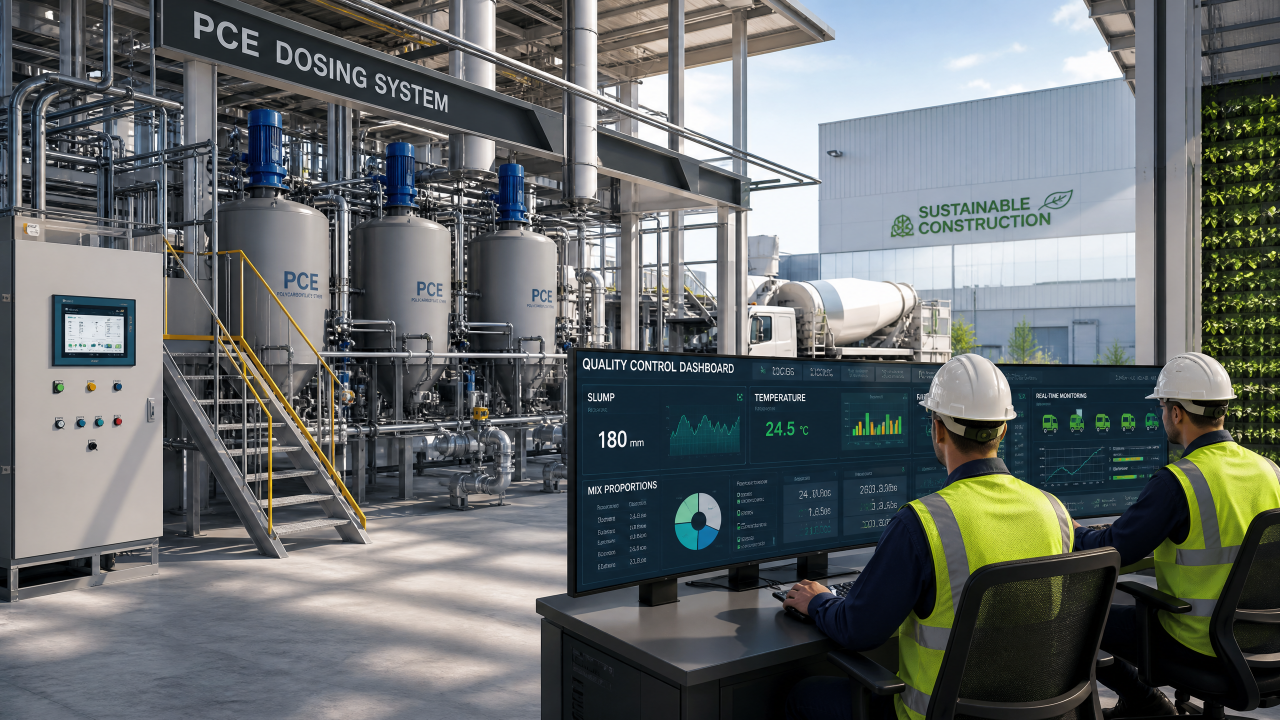
For an admixture company, the future of PCE development lies in molecular customization and system-level concrete optimization.
ARIT's product range covers high-water-reducing, slump-retention, viscosity-reducing, powdered, and specialized admixture technologies. This broad portfolio reflects the increasing demand for application-specific concrete solutions.
As concrete production becomes more automated and performance requirements become more demanding, PCE polymers can provide the flexibility needed to fine-tune fresh-concrete behavior.
Polycarboxylate technology has become a key foundation of modern high-performance concrete.
The performance of polycarboxylate ether comes from its molecular architecture and interaction with cement particles. Properly designed PCE polymers can provide strong dispersion, lower water demand, improved workability, and targeted slump retention.
The polycarboxylate ether uses extend across high-strength concrete, self-compacting concrete, ready-mix, precast, UHPC, and other advanced cementitious materials.
As an hrwr superplasticizer, PCE technology can support the combination of low water content and high flowability required by modern construction. At the same time, new formulations are addressing viscosity, clay tolerance, slump retention, and setting behavior.
ARIT's product portfolio demonstrates how PCE technology can be developed into specialized solutions for different concrete requirements.
The future of smart concrete technologies will increasingly combine molecularly engineered admixtures with automated dosing, digital monitoring, and application-specific concrete design.
Polycarboxylate technology refers to polymer-based admixture technology used to disperse cement particles and improve concrete performance. Molecular structures can be modified for water reduction, slump retention, viscosity, and compatibility.
Polycarboxylate ether is a polymer-based concrete admixture technology that uses functional groups and side chains to disperse cement particles and improve workability.
Polycarboxylate ether uses include high-strength concrete, self-compacting concrete, ready-mix, precast concrete, pumped concrete, UHPC, grouts, and cement-based mortars.
A PCE polymer is a polycarboxylate-based polymer engineered to interact with cement particles and influence dispersion, water reduction, slump retention, and other concrete properties.
An hrwr superplasticizer is a high-range water-reducing admixture designed to substantially reduce mixing water while maintaining concrete workability.
The main advantages of superplasticizer technology include reduced water demand, improved workability, lower water-to-binder ratios, better pumpability, and potential strength improvements.
Flash set is the rapid development of rigidity in cement paste, mortar, or concrete accompanied by considerable heat, with plasticity that cannot be recovered through further mixing.
PCE polymers can be customized for specific performance requirements, making them suitable for advanced concrete systems involving automated dosing, slump control, viscosity management, and digital quality monitoring.
Notice: All images in this article are generated by Artificial Intelligence according to prompts.
 English
 tiếng việt
 العربية
 বাঙালি
 සිංහල
සිංහල